

1.Klassifizierung feuerfester Materialien für Torpedotanks
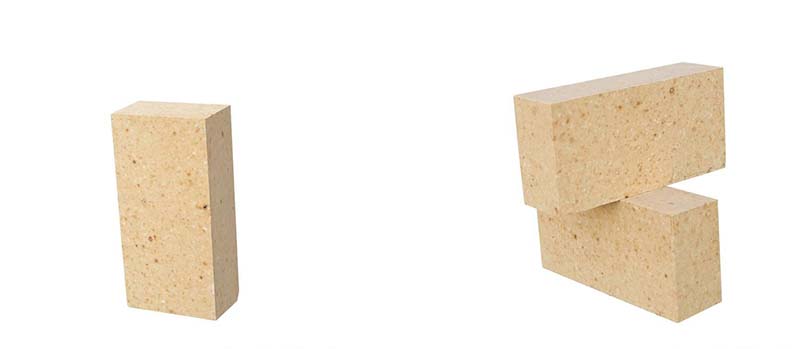
(1)Feuerfeste Materialien für die Arbeitsschicht: mainly aluminum carbide silicon carbon bricks are used. Dieses Material verfügt über eine gute Thermoschockstabilität und kann sich an Temperaturunterschiede von bis zu 800℃ im Torpedotank anpassen. Es hat auch eine hohe Festigkeit, gute mechanische Erosionsbeständigkeit und Verschleißfestigkeit, as well as good slag erosion resistance.
(2)Refractory materials for permanent layer: including clay spray coating, semi-light Lehmziegel and clay slurry.
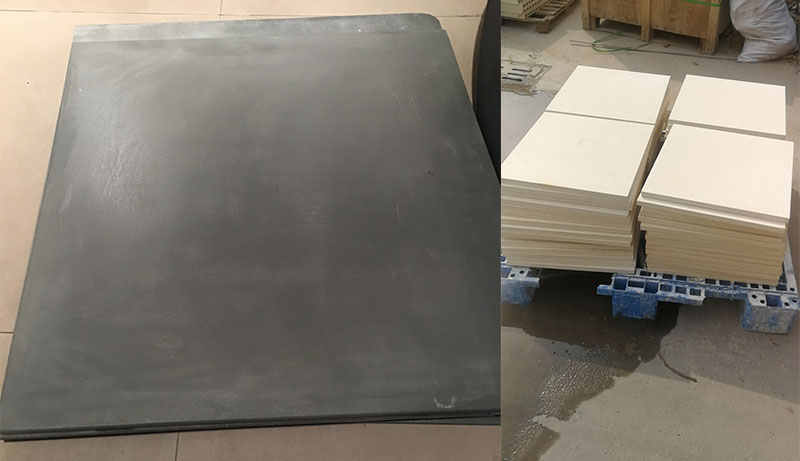
(3)Refractory materials for insulation layer: using high-strength lightweight insulation bricks and aluminum silicate ceramic fiber boards, polycrystalline mullite ceramic fiber felt.
(4)Tank mouth refractory materials: using steel fiber corundum Gussstücke for integral casting, with high temperature and erosion resistance.
(5)Refractory materials for end wall: using clay castables, with good insulation effect and cost performance.
2.Performance requirements of refractory materials for torpedo tanks
(1)Strong resistance to slag erosion and scouring.
(2)Gute Verschleißfestigkeit, gute Thermoschockstabilität, high heat state and good strength.
(3)High oxidation resistance and good thermal insulation performance. ,
The selection and use of these materials are to ensure that the torpedo tank can maintain the appropriate temperature during the transportation of molten iron to prevent the temperature of the molten iron from dropping too quickly, and also to protect the molten iron from being affected by the external environment, ensuring the quality and transportation safety of the molten iron
3.Uses of torpedo tanks
(1)Transporting concrete: In construction and infrastructure projects, torpedo tanks are used to transport concrete quickly and safely. This mode of transportation not only improves construction efficiency, but also significantly improves construction safety.
(2)Transporting molten iron: In the process of steel smelting, torpedo tanks are also used to transport high-temperature molten iron. This equipment can insulate, dephosphorize, and desiliconize molten iron, which is essential to maintaining the stability and efficiency of steel production.