
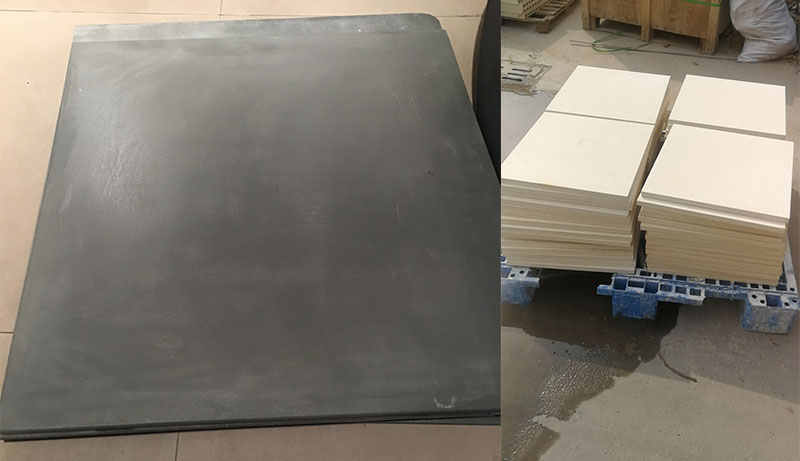
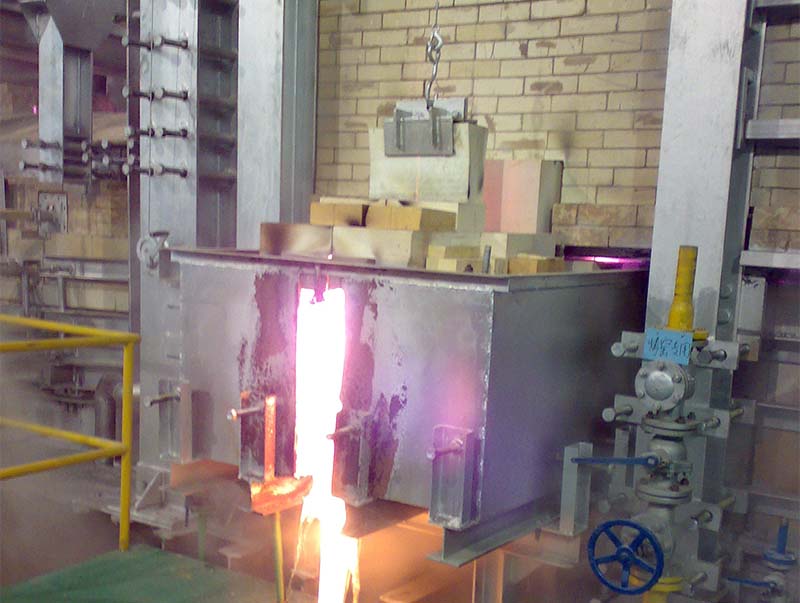
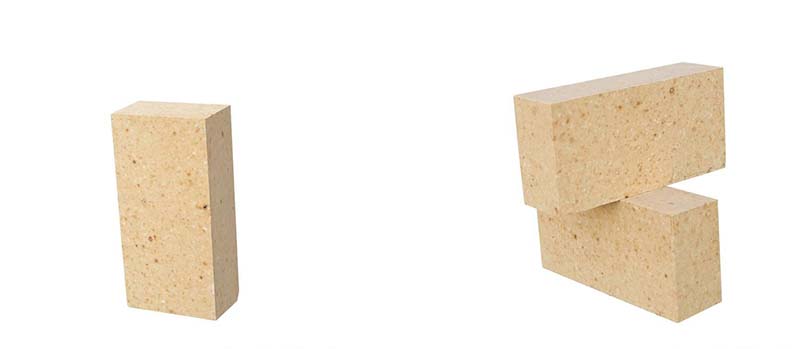
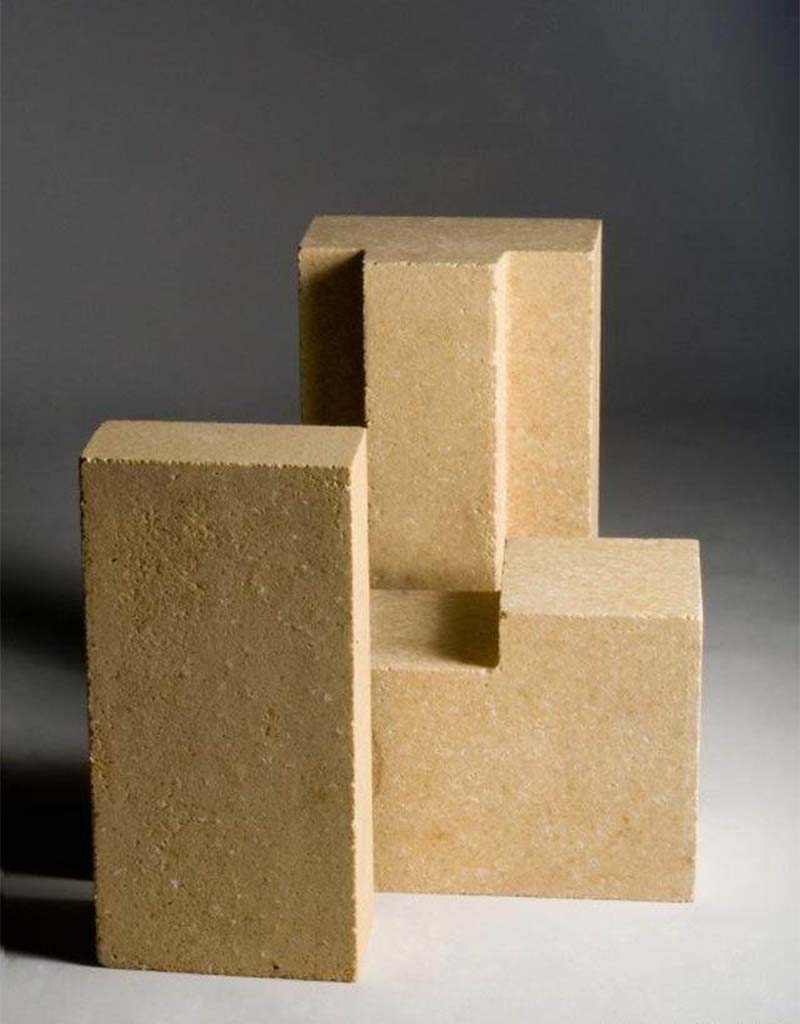
Carbure de silicium est une matière première importante pour les matériaux réfractaires. Il est souvent utilisé pour fabriquer des matériaux réfractaires, comme les briques en carbure de silicium, éléments moulés en carbure de silicium, carbure de silicium combiné à des briques en nitrure de silicium, etc.. La raison pour laquelle il peut être utilisé comme matière première pour les matériaux réfractaires est principalement due à ses avantages évidents..
1. Point de fusion élevé: Le point de fusion du carbure de silicium atteint environ 2700 ℃, ce qui permet aux matériaux réfractaires d'avoir un caractère réfractaire élevé lorsqu'ils sont utilisés comme matériaux réfractaires. En général, le caractère réfractaire des matériaux réfractaires en carbure de silicium peut atteindre environ 1790 ℃, ce qui peut maintenir la structure des matériaux réfractaires stable à haute température.
2. Bonne stabilité chimique: Le carbure de silicium a une bonne résistance à la corrosion et peut avoir une forte résistance aux acides, solutions alcalines et salines, et peut résister à la corrosion dans des environnements à haute température;
3. Conductivité thermique: La conductivité thermique du carbure de silicium est d'environ 80-200 W/(m·K). Cette fonctionnalité aide les matériaux réfractaires à transférer rapidement la chaleur à haute température et à améliorer l'efficacité thermique..
4. Bonne résistance à l'usure: Le carbure de silicium a une très bonne résistance à l'usure. Il résiste très bien à l’érosion et à l’usure des matériaux, il est donc largement utilisé dans certaines pièces présentant une usure importante. 5. Haute résistance: Le carbure de silicium a une résistance élevée et peut maintenir la stabilité du four dans un environnement à haute température.
À travers les caractéristiques de carbure de silicium, on peut comprendre grossièrement le rôle du carbure de silicium dans les matériaux réfractaires. Il peut maintenir les matériaux réfractaires à des performances réfractaires élevées. En même temps, il a une bonne résistance à l'érosion chimique. En même temps, grâce à son excellente résistance à l'usure, il peut résister à l'érosion et à l'usure des matériaux dans certaines pièces clés présentant une usure sévère. Non seulement ça, grâce à la conductivité thermique élevée du carbure de silicium, cela peut améliorer l'efficacité thermique du four et réduire la consommation d'énergie.