
Описание
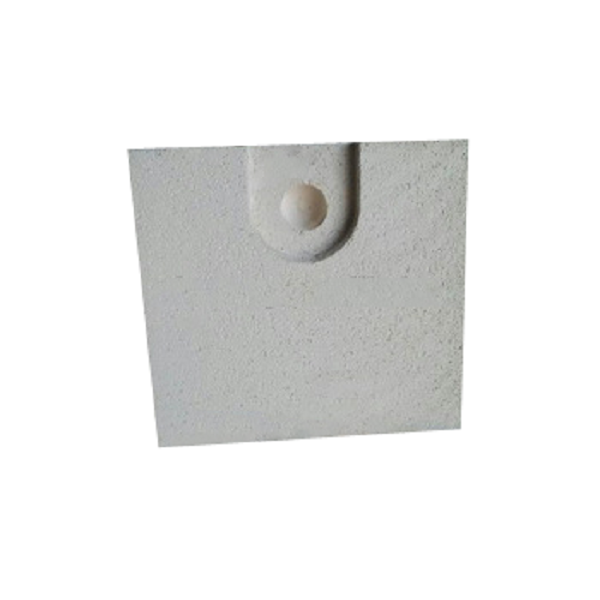
Муллит Бrick Description
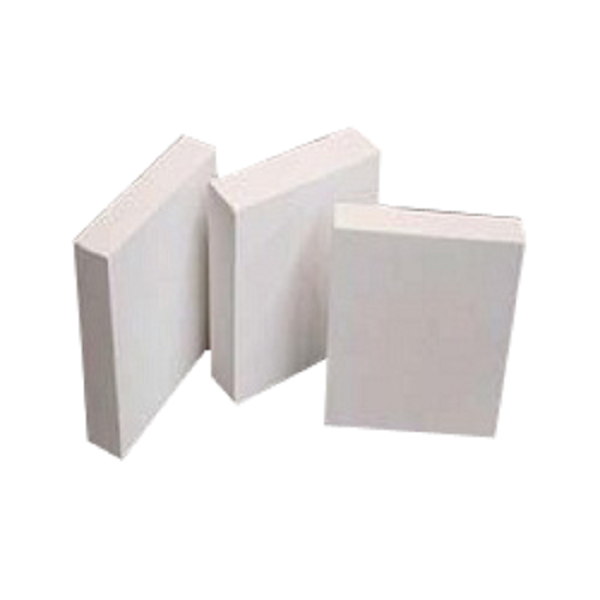
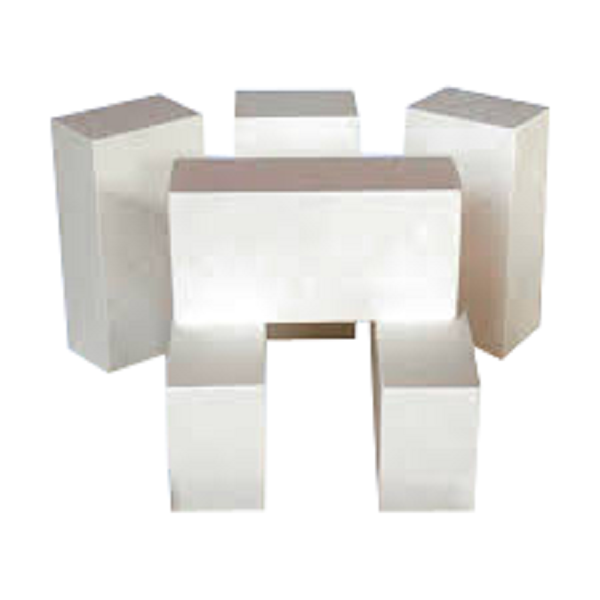
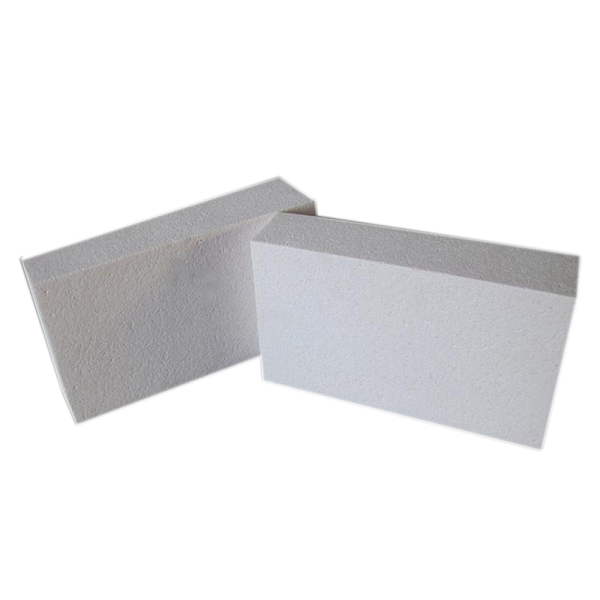
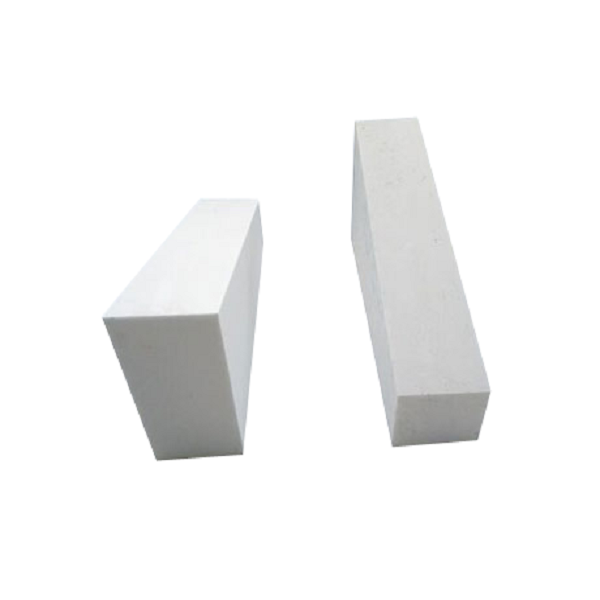
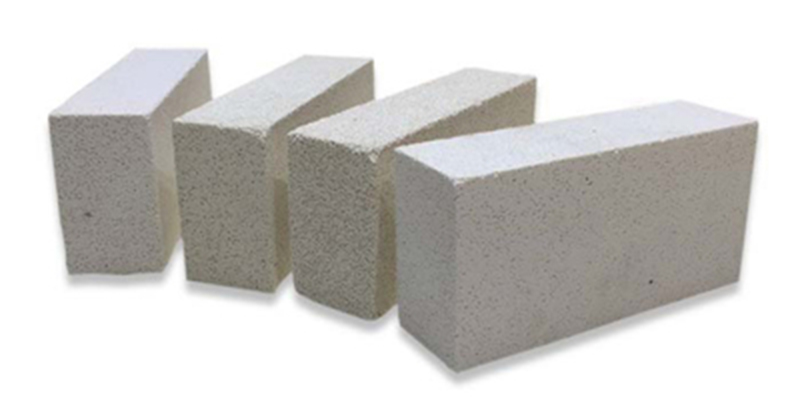
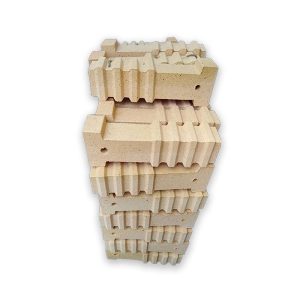
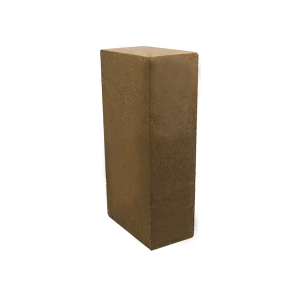
Mullite bricks are sintered from mullite raw materials, and have good low thermal expansion, low creep, low thermal conductivity and good chemical stability. There are two types of mullite bricks. One is sintered mullite bricks, which are made by pressing natural mullite as the main raw material and adding additives. The other is re-sintered mullite brick, which is made by sintering synthetic mullite as the main raw material and additives.
Другие популярные огнеупорные кирпичи
- Высокоглиноземистый кирпич
- Глиняный кирпич
- Магнезиальный кирпич
- Магнезиальный хромированный кирпич
- Силикатный кирпич
Технические параметры
| Элемент | 75Mullite Brick | 70 Муллитовый кирпич | Mullite-corundum Brick |
| Al2O3 % | ≥75 | ≥70 | ≥80 |
| SiO2 % | ≤23 | ≤25 | ≤18 |
| Fe2O3 % | ≤0,4 | ≤0,4 | ≤0,3 |
| Основная плотность g/cm3 | ≥2.7 | ≥2.6 | ≥2,8 |
| Кажущаяся пористость % | ≤18 | ≤18 | ≤18 |
| Cold compressive strength MPa | ≥100 | ≥100 | ≥100 |
| (0.2МПа,0.6%)Load softening began to temperature °C | ≥1680 | ≥1680 | ≥1700 |
Из Википедии: Огнеупорный кирпич
Mullite brick density
The volume density of common lightweight mullite bricks is 0.6-1.2g/cm³, while the volume density of heavy mullite refractory bricks is 2.3-2.5g/cm³.
What is the use temperature of mullite refractory bricks?
The use temperature of mullite refractory bricks is about 1850℃.
Mullite refractory bricks are easily eroded by alkaline refractory bricks at high temperatures. Кроме того, at high temperatures, mullite can react with water vapor to generate Al2O3 and be damaged. Поэтому, mullite refractory bricks should not be used for a long time in an environment with high alkaline slag and high water vapor content4.
Production process of mullite refractory bricks
- Ингредиенты: According to the performance requirements of the required mullite refractory bricks, accurately weigh various raw materials, such as mullite, корунд, и т. д..
- Смешивание: Put the weighed raw materials into the mixer, add appropriate amounts of binder and water, and mix them thoroughly to make the raw materials evenly distributed.
- Формование: The mixed materials are fed into the molding machine and pressed into bricks of a certain shape and size.
- Drying: The formed bricks are fed into the drying chamber and heated to remove moisture for the subsequent firing process.
- Стрельба: The dried bricks are fed into a high-temperature kiln for firing. The firing temperature is usually 1500-1700℃, depending on the composition of the ingredients, the purity of the raw materials and the requirements for the performance of refractory bricks.
- Охлаждение и осмотр: The fired mullite refractory bricks need to be naturally cooled to a certain temperature in the kiln and then taken out for appearance inspection and performance testing to ensure that their quality meets the standards.
Mullite Brick Bulk Price
Comparison between mullite brick and corundum brick
| Муллитовый кирпич | Corundum Brick | |
| Сырье | The main raw material is mullite, which usually contains a high proportion of alumina (Al2O3) and silicon dioxide (SiO2). Mullite bricks can be made by synthesizing mullite, or using mullite particles as aggregate and α-Al2O3 powder as powder. | The main raw material is high-purity corundum ore. The Al2O3 content of corundum bricks is usually between 72% и 90%. |
| Устойчивость к шлаку | Mullite is not easy to melt at high temperatures and can resist slag erosion well. | Its main component is corundum, which may not perform as well as mullite brick in certain specific slag corrosion environments. |
| Термическая устойчивость к ударам | Able to maintain high strength and stability in rapid heating and cooling environments. | Relatively poor thermal shock stability |
| Износостойкость | The wear resistance is good, but slightly inferior to that of corundum bricks. | Отличная износостойкость |
| Высокая температурная производительность | Good high temperature performance, высокая точка плавления (mullite 1870℃) | The high temperature performance is more superior and the melting point is higher (corundum 2050℃) |
| Области применения | Доменные печи, iron smelting furnaces, carbon black reactors, as well as glass melting furnaces and ceramic firing kilns. | High-temperature hot blast furnaces, as well as high-temperature industrial furnaces such as petrochemical industry, large and medium-sized synthetic ammonia gasification furnaces and magnetic material gas furnaces. |
Отзывы
Пока нет отзывов.