
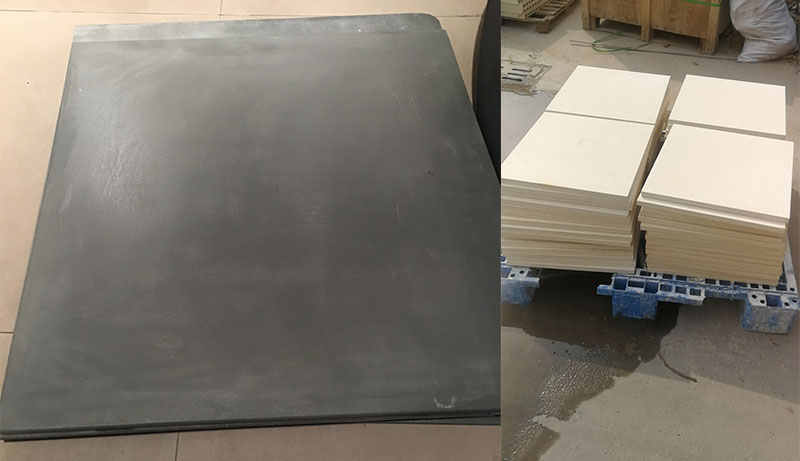
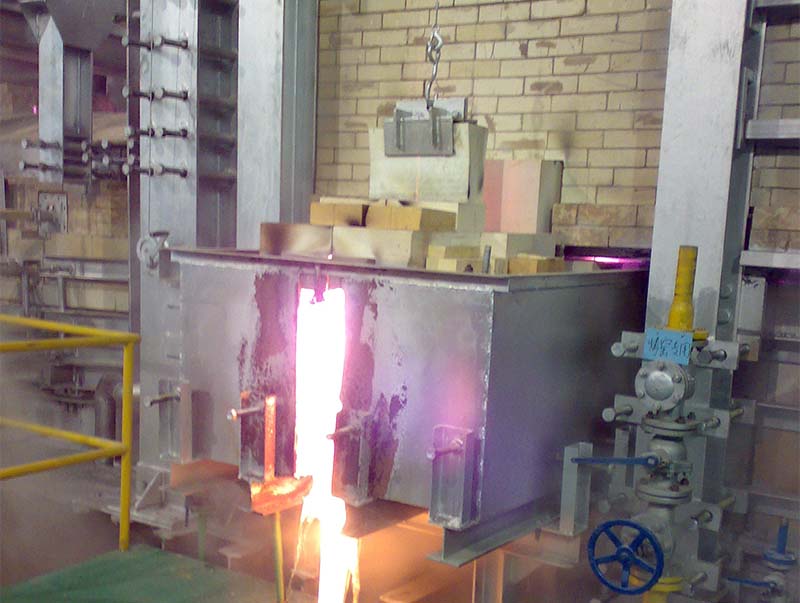
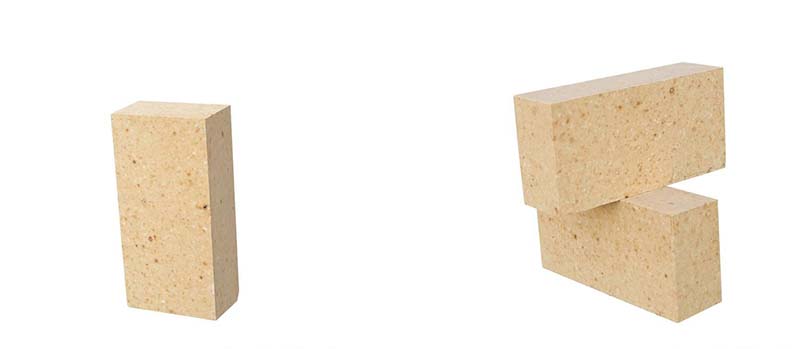
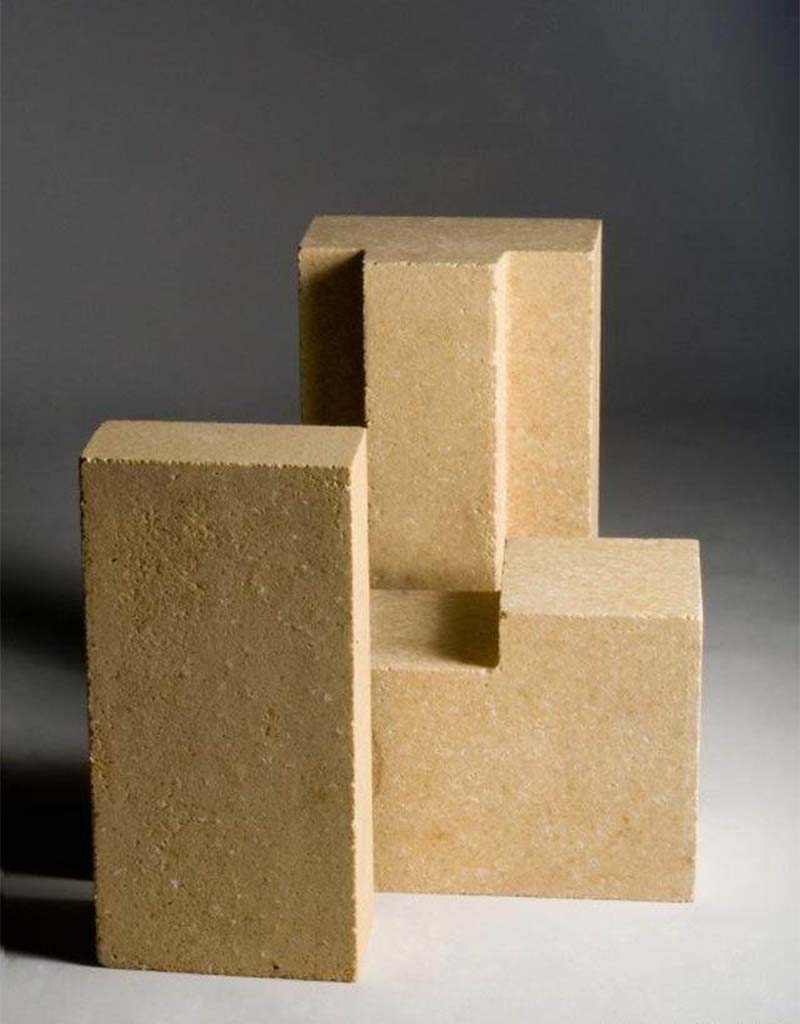
Mullite is an important refractory material widely used in high-temperature industrial environments. Although mullite insulation bricks and mullite bricks are both mullite materials, they have significant differences in composition, โครงสร้าง, performance and application. Here’s a detailed comparison of them:
องค์ประกอบและโครงสร้าง
อิฐฉนวนมัลไลท์:
- มีส่วนประกอบหลักเป็นมัลไลท์ (อัล₂O₃-SiO₂) และมักจะมีรูขุมขนหรือช่องว่างมากกว่า. วัตถุประสงค์ของช่องว่างเหล่านี้คือเพื่อลดการนำความร้อนของวัสดุ, จึงช่วยเพิ่มประสิทธิภาพฉนวนกันความร้อน.
- เพื่อให้บรรลุผลฉนวนกันความร้อนที่ดีขึ้น, การออกแบบโครงสร้างของอิฐฉนวนมัลไลท์มักจะหลวมและมีความหนาแน่นต่ำ.
อิฐมัลไลท์:
- ประกอบด้วยมัลไลท์ด้วย, แต่มีโครงสร้างที่หนาแน่นกว่า, ความพรุนลดลงและมีความหนาแน่นสูงขึ้น.
- This structural design is intended to improve the material’s refractoriness, mechanical strength and wear resistance.
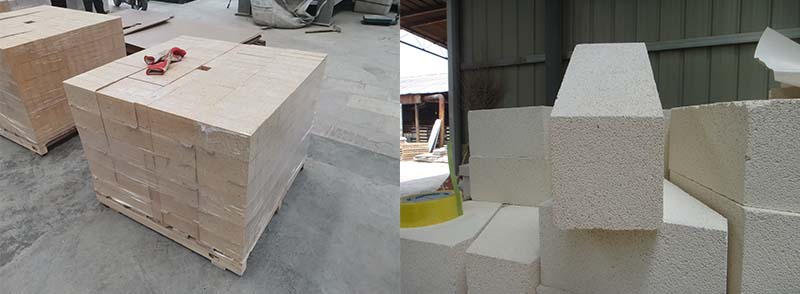
Mullite insulation brick VS mullite brick
ผลงาน
อิฐฉนวนมัลไลท์:
- การนำความร้อนต่ำ: Due to its loose structure and high porosity, mullite insulation bricks have low thermal conductivity and are very suitable for use as insulation layers.
- ทนต่อแรงกระแทกจากความร้อนได้ดี: Able to withstand rapid temperature changes without cracking.
- เสถียรภาพทางความร้อน: Maintains dimensional stability at high temperatures, reducing structural damage caused by thermal expansion.
อิฐมัลไลท์:
- การหักเหของแสงสูง: Mullite bricks can withstand higher temperatures, usually above 1300°C.
- ความแข็งแรงทางกลสูง: Due to its dense structure, it has high mechanical strength and is suitable for parts that need to withstand physical pressure and impact.
- ทนต่อการสึกหรอ: ในสภาพแวดล้อมที่มีอุณหภูมิสูง, it has good wear resistance and is suitable for linings of equipment with mechanical wear.
แอปพลิเคชัน
อิฐฉนวนมัลไลท์:
- Mainly used for lining of equipment that needs to reduce heat loss, such as kilns, เตาทำความร้อน, incinerators, ฯลฯ.
- Used as insulation material in metallurgy, ปิโตรเคมี, electric power, glass manufacturing and other industries to reduce energy consumption and improve equipment efficiency.
อิฐมัลไลท์:
- Parts that are in direct contact with high temperature environments, such as furnace linings, kiln inner walls, ฯลฯ.
- Suitable for parts that need to withstand high temperatures and mechanical pressures, such as high-temperature industries such as steel smelting, glass manufacturing, and ceramic firing.
Cost and performance
- Mullite insulation bricks: Due to its lower density and relatively simple production process, it has low cost and high cost performance, especially in applications that require large-area insulation.
- อิฐมัลไลท์: The production cost is higher, but due to its excellent performance and long service life, it has a high cost performance in applications under high temperature and high pressure environments.