
ซิลิคอนคาร์ไบด์ (ซิซี), หรือที่เรียกว่าซิลิคอนคาร์ไบด์หรือคอรันดัม, เป็นสารประกอบที่ประกอบด้วยซิลิคอนและคาร์บอน. ต่อไปนี้เป็นข้อเท็จจริงสำคัญบางประการเกี่ยวกับซิลิคอนคาร์ไบด์:
- โครงสร้าง: ซิลิคอนคาร์ไบด์มีโครงสร้างผลึกที่หลากหลาย, ที่พบมากที่สุดคือα-SiC และ β-SiC. α-SiC มีโครงสร้างหกเหลี่ยม, ในขณะที่ β-SiC มีโครงสร้างลูกบาศก์.
- ความแข็ง: ตามที่กล่าวไว้ข้างต้น, ซิลิคอนคาร์ไบด์มีความแข็งมาก, รองจากเพชรและคิวบิกโบรอนไนไตรด์เท่านั้น. มักจะได้รับการจัดอันดับ 9 ถึง 9.5 ในระดับความแข็ง Mohs.
- แอปพลิเคชัน:
- สารกัดกร่อน: เนื่องจากมีความแข็งสูงมาก, ซิลิคอนคาร์ไบด์มักใช้ในสารกัดกร่อนเช่นกระดาษทราย, ล้อเจียร, ฯลฯ.
- เซมิคอนดักเตอร์: ซิลิคอนคาร์ไบด์มีการใช้งานที่หลากหลายในอุณหภูมิสูง, ความถี่สูง, และอุปกรณ์อิเล็กทรอนิกส์กำลังสูงเพราะสามารถรักษาคุณสมบัติทางไฟฟ้าภายใต้สภาวะที่รุนแรงได้.
- วัสดุทนไฟ: เนื่องจากมีจุดหลอมเหลวสูง (เกี่ยวกับ 2730 องศาเซลเซียส), ซิลิคอนคาร์ไบด์ถูกใช้เป็นวัสดุทนไฟและวัสดุโครงสร้างที่มีอุณหภูมิสูง.
- เซรามิกส์: เซรามิกซิลิคอนคาร์ไบด์ใช้ในการผลิตตลับลูกปืน, แมวน้ำ, และชิ้นส่วนยานยนต์เนื่องจากมีความแข็งและทนต่อการสึกหรอสูง.
- การผลิต: ซิลิคอนคาร์ไบด์สามารถผลิตได้หลายวิธี, ที่พบมากที่สุดคือทำปฏิกิริยากับซิลิคอนไดออกไซด์ (เช่น ทรายควอทซ์) ด้วยคาร์บอน (เช่นโค้ก) ที่อุณหภูมิสูงเพื่อผลิต SiC.
- คุณสมบัติ: นอกจากจะมีความแข็งแล้ว, ซิลิคอนคาร์ไบด์ยังมีค่าการนำความร้อนสูงอีกด้วย, ค่าสัมประสิทธิ์การขยายตัวทางความร้อนต่ำ, เสถียรภาพทางเคมีและความต้านทานการกัดกร่อน.

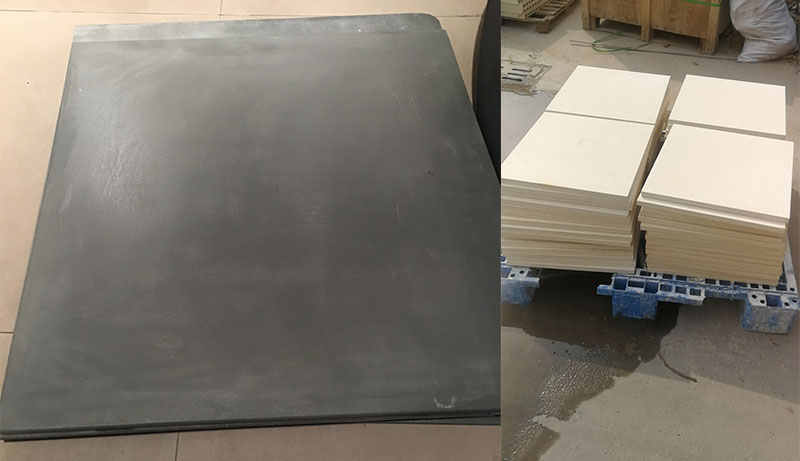
แท่งซิลิกอนคาร์ไบด์
คือซิลิคอนคาร์ไบด์เป็นเซรามิก
ใช่, ซิลิกอนคาร์ไบด์ (ซิซี) ถือได้ว่าเป็นวัสดุเซรามิก.
- คำนิยาม: เซรามิกมักหมายถึงวัสดุที่ทำจากวัสดุอนินทรีย์อโลหะ (เช่นออกไซด์, ไนไตรด์, คาร์ไบด์, ฯลฯ) ผ่านการเผาผนึกที่อุณหภูมิสูง. ซิลิคอนคาร์ไบด์ตรงตามคำจำกัดความนี้.
- คุณสมบัติ: ซิลิคอนคาร์ไบด์มีคุณสมบัติเซรามิกทั่วไปหลายประการ, รวมทั้ง:
- มีความแข็งสูง: ตามที่ได้กล่าวไปแล้ว, ซิลิคอนคาร์ไบด์มีความแข็งมาก.
- จุดหลอมเหลวสูง: เกี่ยวกับ 2730 องศาเซลเซียส, สูงกว่าจุดหลอมเหลวของโลหะส่วนใหญ่มาก.
- ทนต่ออุณหภูมิสูง: ซิลิคอนคาร์ไบด์รักษาคุณสมบัติทางกายภาพและเคมีไว้ที่อุณหภูมิสูง.
- ความต้านทานการกัดกร่อน: มีความทนทานต่อการกัดกร่อนของสารเคมีส่วนใหญ่ได้ดี.
- ค่าสัมประสิทธิ์การขยายตัวทางความร้อนต่ำ: ซึ่งหมายความว่าซิลิคอนคาร์ไบด์จะเปลี่ยนปริมาตรน้อยลงเมื่ออุณหภูมิเปลี่ยนแปลง.
- แอปพลิเคชัน: ในการใช้งานเซรามิกส์, ซิลิคอนคาร์ไบด์ใช้ทำวัสดุทนไฟ, เซรามิกที่ทนต่อการสึกหรอ, เซรามิกโครงสร้าง, เซรามิกอิเล็กทรอนิกส์, ฯลฯ. ตัวอย่างเช่น:
- เซรามิกโครงสร้าง: ใช้ในการผลิตตลับลูกปืน, แมวน้ำ, เครื่องมือตัด, ฯลฯ.
- เซรามิกอิเล็กทรอนิกส์: ใช้เป็นวัสดุพื้นผิวหรือวัสดุบรรจุภัณฑ์ในอุปกรณ์เซมิคอนดักเตอร์.
เป็นซิลิคอนคาร์ไบด์ที่แข็งกว่าอะลูมิเนียมออกไซด์
ใช่, ซิลิกอนคาร์ไบด์ (ซิซี) แข็งกว่าอะลูมิเนียมออกไซด์ (อัล₂O₃). ความแข็ง Mohs ของซิลิคอนคาร์ไบด์อยู่ระหว่างประมาณ 9 และ 9.5, ในขณะที่ความแข็ง Mohs ของอะลูมิเนียมออกไซด์มักจะอยู่ที่ประมาณ 9. ดังนั้น, โดยทั่วไปแล้วซิลิคอนคาร์ไบด์ถือเป็นวัสดุที่แข็งกว่าอะลูมิเนียมออกไซด์.

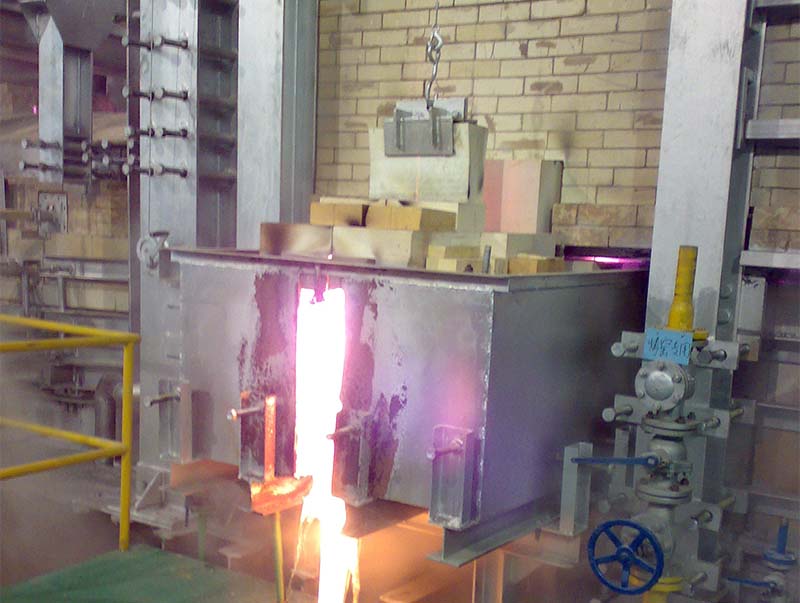
แผ่นซิลิคอนคาร์ไบด์
ซิลิคอนคาร์ไบด์เกิดขึ้นได้อย่างไร
วิธีทำซิลิคอนคาร์ไบด์? มีหลายวิธีในการเตรียมซิลิคอนคาร์ไบด์ (ซิซี). ต่อไปนี้เป็นกระบวนการผลิตหลักบางส่วน:
- กระบวนการแอจิสัน:
- วัตถุดิบ: ทรายควอทซ์ (ส่วนใหญ่เป็นซิลิคอนไดออกไซด์, SiO₂), โค้ก (คาร์บอน, ค) และเกลือ.
- กระบวนการ: ผสมทรายควอทซ์กับโค้ก, เติมเกลือเล็กน้อย (เป็นฟลักซ์), แล้วจึงตั้งไฟให้ร้อนประมาณ 2000-2500 องศาเซลเซียสในเตาไฟฟ้า. การไล่ระดับอุณหภูมิจะเกิดขึ้นภายในเตาไฟฟ้า, โดยมีอุณหภูมิสูงสุดตรงกลางและอุณหภูมิต่ำสุดที่ขอบ. ที่อุณหภูมิสูง, SiO₂ ในทรายควอตซ์ทำปฏิกิริยากับ C ในโค้กเพื่อสร้าง SiC:
[
SiO₂ + 3C ลูกศรขวา SiC + 2อะไรลูกศรขึ้น
] - ผลิตภัณฑ์: เม็ด SiC ที่ได้รับมีขนาดแตกต่างกันและจำเป็นต้องผ่านกระบวนการเพิ่มเติม.
- การสะสมไอสารเคมี (ซีวีดี):
- แหล่งก๊าซ: ใช้ก๊าซเช่นไซเลน (SiH₄) และมีเทน (ช₄) เป็นสารตั้งต้น.
- กระบวนการ: ที่อุณหภูมิสูง (ปกติ 1,000-1500°C) และความดันต่ำ, ก๊าซจะสลายตัวโดยปฏิกิริยาเคมี, และอะตอมของ Si และ C จะสะสมอยู่บนพื้นผิวของสารตั้งต้นเพื่อสร้างฟิล์มหรือสารเคลือบ SiC.
- แอปพลิเคชัน: ใช้ในการผลิตที่มีความบริสุทธิ์สูง, วัสดุ SiC ที่มีโครงสร้างละเอียด, เช่น อุปกรณ์สารกึ่งตัวนำ.
- กระบวนการโซล-เจล:
- วัตถุดิบ: ใช้สารละลายสารตั้งต้นอินทรีย์ที่มีซิลิคอนและคาร์บอน, เช่น เตตราเอทอกซีไซเลน (ทีโอเอส).
- กระบวนการ: สร้างอนุภาคหรือฟิล์ม SiC ผ่านขั้นตอนต่างๆ เช่น การทำไฮโดรไลซิส, การควบแน่น, เจลและการเผาผนึก.
- การเผาผนึกด้วยเลเซอร์:
- วิธี: ใช้เลเซอร์เพื่อให้ความร้อนและทำให้ผง SiC เย็นลงอย่างรวดเร็วเพื่อให้เกิดการเผาผนึกอย่างรวดเร็ว.
- วิธีเฟสของเหลว:
- วัตถุดิบ: ใช้สารตั้งต้นที่เป็นของเหลว, เช่น โพลีคาร์โบซิเลน (พีซีเอส).
- กระบวนการ: สารตั้งต้นที่เป็นของเหลวถูกให้ความร้อนจนเกิดปฏิกิริยาโพลีเมอร์, เชื่อมขวาง, และแปลงเป็น SiC ในที่สุด.
- การเผาผนึกปฏิกิริยา:
- วิธี: ผง SiC ผสมกับซิลิกอน (และ), และหลังกระบวนการเผาผนึก, Si และ C ตอบสนองต่อการสร้าง SiC.
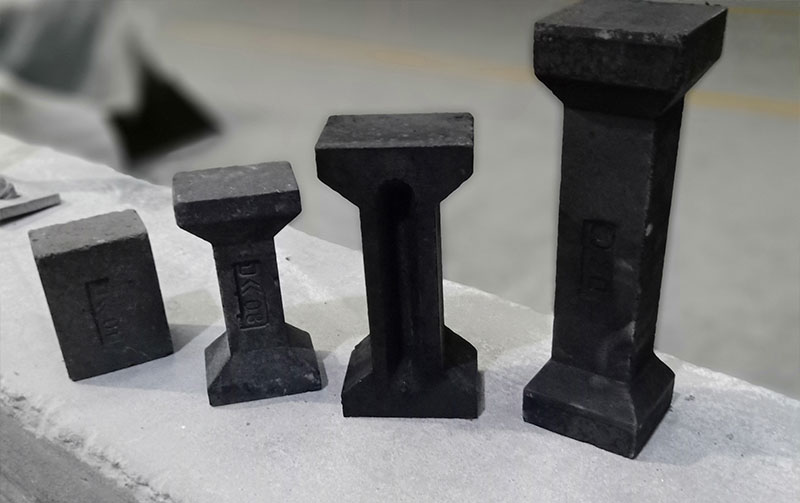
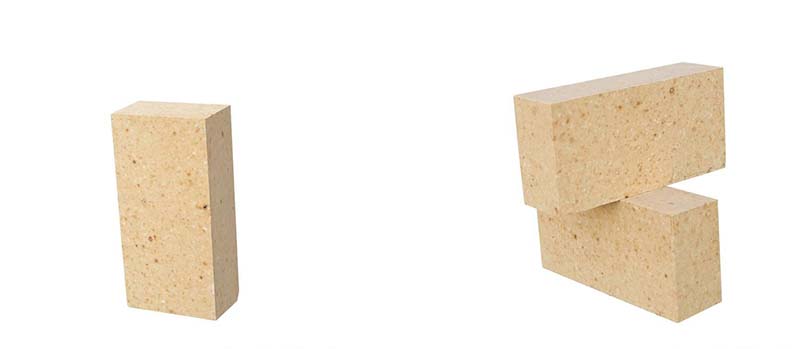
เสาซิลิคอนคาร์ไบด์
ซิลิคอนคาร์ไบด์ใช้ทำอะไร
1.มีฤทธิ์กัดกร่อน
- กระดาษทรายและอุปกรณ์บด: ซิลิคอนคาร์ไบด์ถูกใช้เป็นสารขัดเนื่องจากมีความแข็งสูงในการทำกระดาษทราย, ล้อเจียร, หินเจียร, ฯลฯ.
- ขัด: ใช้สำหรับขัดโลหะ, กระจก, เซรามิกและวัสดุอื่นๆ.
2.วัสดุทนไฟ
- เยื่อบุเตาเผา: เนื่องจากมีจุดหลอมเหลวสูงและทนต่ออุณหภูมิสูง, ซิลิคอนคาร์ไบด์ถูกใช้เป็นวัสดุซับในเตาเผา.
- วัสดุโครงสร้างที่มีอุณหภูมิสูง: ซิลิคอนคาร์ไบด์สามารถรักษาความแข็งแรงเชิงกลได้ในสภาพแวดล้อมที่มีอุณหภูมิสูง.
3. วัสดุเซมิคอนดักเตอร์
- อุปกรณ์อิเล็กทรอนิกส์: ซิลิคอนคาร์ไบด์มีคุณสมบัติทางไฟฟ้าที่ดีเยี่ยม และเหมาะสำหรับการผลิตที่อุณหภูมิสูง, อุปกรณ์เซมิคอนดักเตอร์ความถี่สูงและกำลังสูงเช่น MOSFET, ไดโอด, ไฟ LED, ฯลฯ.
- อุปกรณ์ออปโตอิเล็กทรอนิกส์: ใช้ในการผลิตไดโอดเปล่งแสง (ไฟ LED), เลเซอร์ไดโอด, ฯลฯ.
4. วัสดุเซรามิก
- เซรามิกโครงสร้าง: ใช้ในการผลิตตลับลูกปืน, แมวน้ำ, เครื่องมือตัด, เครื่องแลกเปลี่ยนความร้อน, ฯลฯ.
- วัสดุกันกระสุน: เซรามิกซิลิคอนคาร์ไบด์มีความแข็งและทนต่อแรงกระแทกสูง และใช้ในการผลิตเสื้อเกราะกันกระสุนและชุดเกราะ.
5. เคลือบทนต่อการสึกหรอ
- วัสดุเคลือบ: การเคลือบซิลิคอนคาร์ไบด์ใช้เพื่อปรับปรุงความต้านทานการสึกหรอและความต้านทานการกัดกร่อนของส่วนประกอบ, เช่น ใบพัดกังหัน, ชิ้นส่วนยานยนต์, ฯลฯ.
6. องค์ประกอบความร้อนที่อุณหภูมิสูง
- องค์ประกอบความร้อน: ซิลิคอนคาร์ไบด์ถูกใช้เป็นวัสดุองค์ประกอบความร้อนเนื่องจากมีการนำความร้อนสูงและทนต่ออุณหภูมิสูง.

ซิลิกอนคาร์ไบด์ย้อย
7. อุตสาหกรรมโลหะวิทยา
- เตาถลุง: ใช้ทำวัสดุซับในเตาถลุง.
- แม่พิมพ์หล่อ: ซิลิคอนคาร์ไบด์ใช้ทำแม่พิมพ์หล่อ.
8. เคมีภัณฑ์
- วัสดุกรอง: องค์ประกอบตัวกรองเซรามิกซิลิคอนคาร์ไบด์ใช้สำหรับการกรองก๊าซอุณหภูมิสูง.
- ผู้ให้บริการตัวเร่งปฏิกิริยา: มันถูกใช้เป็นวัสดุพาหะสำหรับตัวเร่งปฏิกิริยา.
9. ยานยนต์
- ผ้าเบรก: ซิลิคอนคาร์ไบด์ใช้ในการผลิตผ้าเบรกประสิทธิภาพสูง.
- ชิ้นส่วนเครื่องยนต์: เช่น ปลอกสูบ, แหวนลูกสูบ, ฯลฯ.
10. เลนส์
- เลนส์และหน้าต่าง: ซิลิคอนคาร์ไบด์เป็นการส่งผ่านแสงในการใช้งานด้านแสงอินฟราเรด.
11. การบินและอวกาศและการบิน
- ส่วนประกอบที่มีอุณหภูมิสูง: ซิลิคอนคาร์ไบด์ใช้ในการผลิตส่วนประกอบสำหรับยานอวกาศและเครื่องยนต์การบินและอวกาศ เนื่องจากมีความทนทานต่ออุณหภูมิและการกัดกร่อนสูง.
12. พลังงาน
- เซลล์แสงอาทิตย์: ซิลิคอนคาร์ไบด์ถูกใช้เป็นชั้นสื่อกระแสไฟฟ้าโปร่งใสในเซลล์แสงอาทิตย์.
- เซลล์เชื้อเพลิง: เป็นวัสดุอิเล็กโทรด.
พื้นที่การใช้งานของซิลิคอนคาร์ไบด์ยังคงขยายตัว, และด้วยการพัฒนาเทคโนโลยี, นอกจากนี้ยังมีการสำรวจและพัฒนาพื้นที่การใช้งานใหม่อีกด้วย.

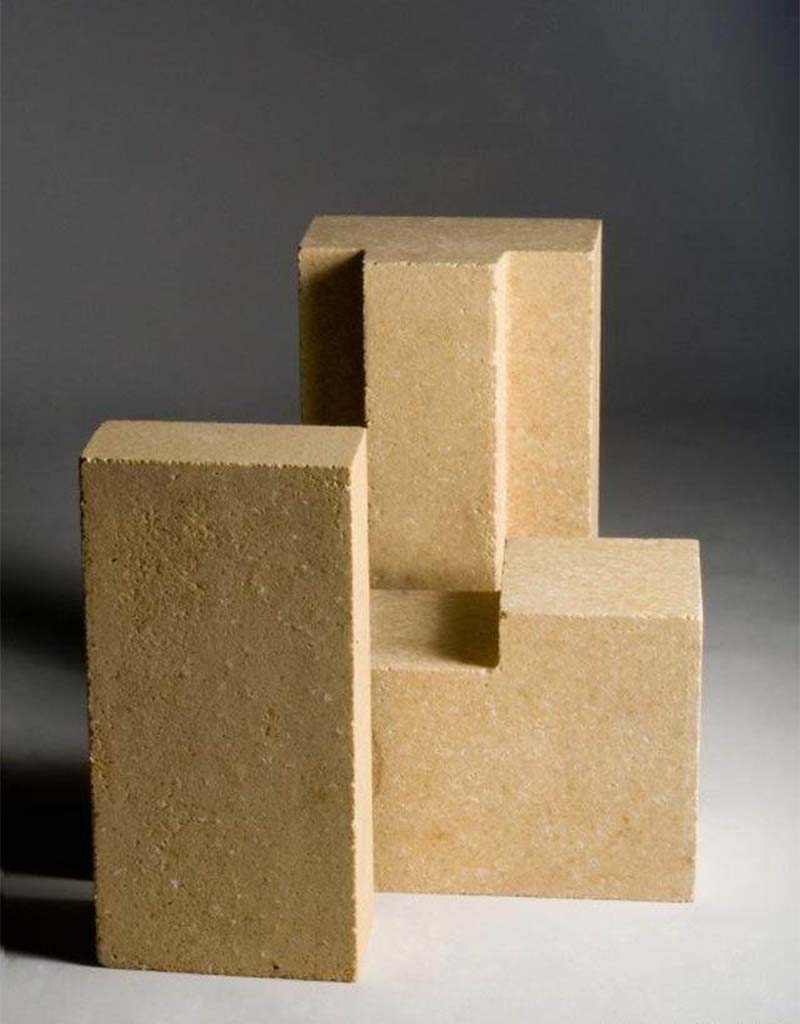
ลำแสงซิลิคอนคาร์ไบด์