
1.Sự thi công: Vật đúc được are usually used for pouring concrete. Ví dụ, in foundation engineering, castables can fill the foundation, enhance the bearing capacity of the foundation, and make the building more stable. In underground pipeline construction, castables can also be used to fill the gaps around the pipeline to enhance the structural strength of the pipeline and prevent the pipeline from rupturing.
2.Casting: Vật đúc được are usually used to fill molds. Ví dụ, in mechanical casting, castables can fill the mold to form the shape of the casting, and then demold the desired casting after cooling and solidification. Castables can also be used to repair casting molds and molds to enhance the wear resistance and hardness of castings.
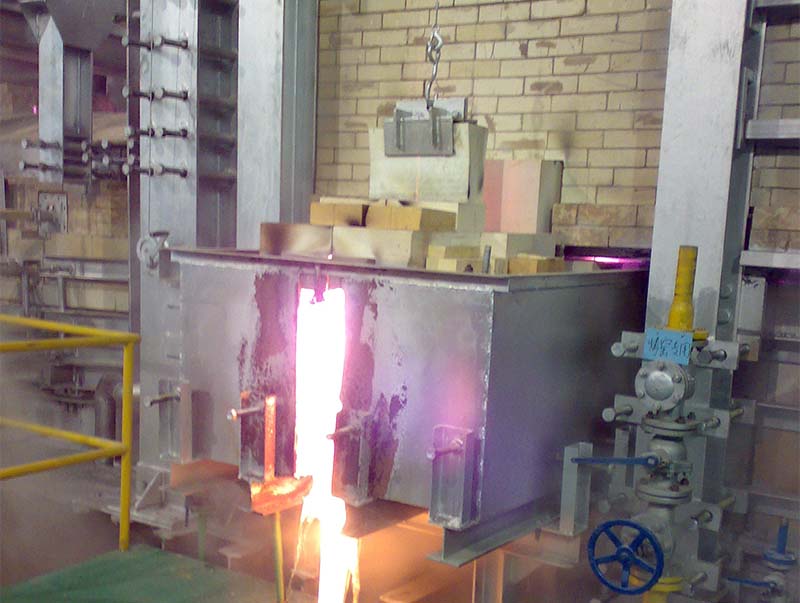
3.Metallurgical field: Vật đúc được are usually used for furnace charge pouring. Ví dụ, in steel smelting, castables can be used to cast furnace bottoms, graphite blocks, iron mouths and other parts. Đồng thời, the carbon content of the castable can be used to control the slag structure and oxidation reaction, thereby improving the smelting efficiency and quality.
4.Power industry: In high-temperature equipment such as boilers in thermal power plants, castables are used to fill the gaps inside the furnace, improve thermal efficiency, and reduce heat loss of equipment.
5.Ngành gốm sứ: In the ceramic production process, high-temperature kilns have high requirements for refractory materials. Castables are widely used in the furnace, furnace bottom, furnace door and other parts of the kiln to improve the refractory performance and thermal efficiency of the kiln.
6.Công nghiệp kính: In high-temperature equipment such as glass melting furnaces and regeneration melting furnaces, vật đúc được, as key refractory materials, play a role in protecting the furnace body and increasing the life of the equipment.