
Sự miêu tả
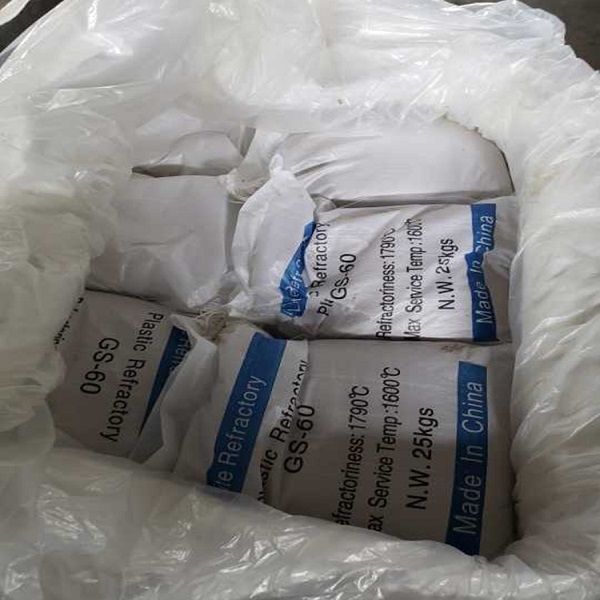
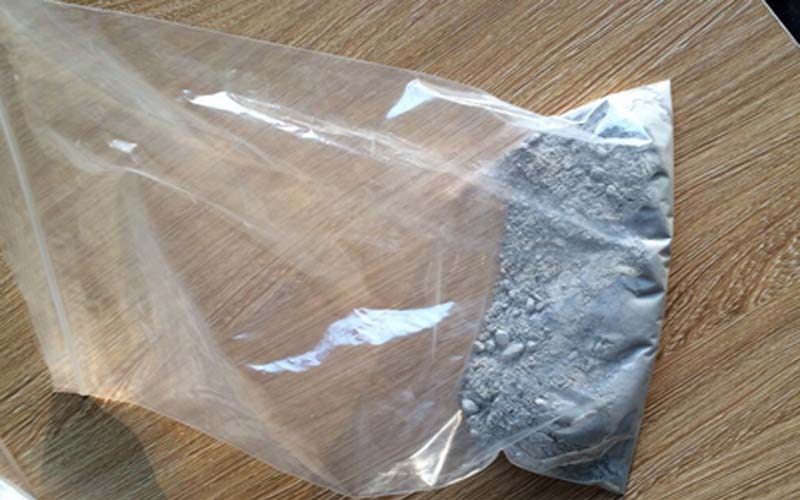
Brief description of refractory plastics
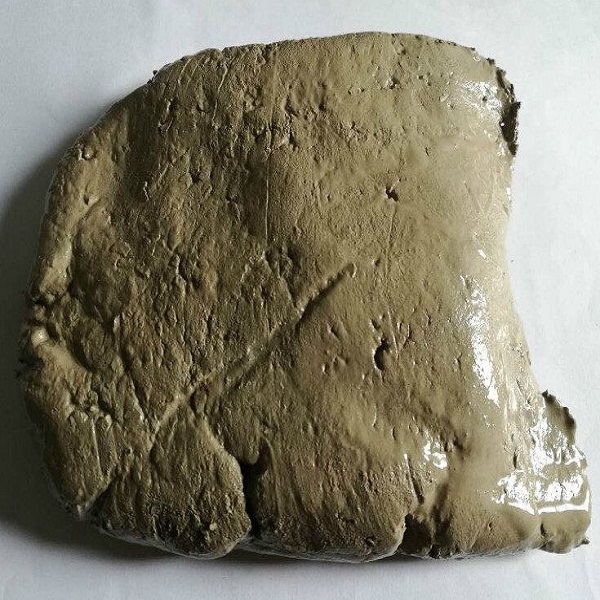
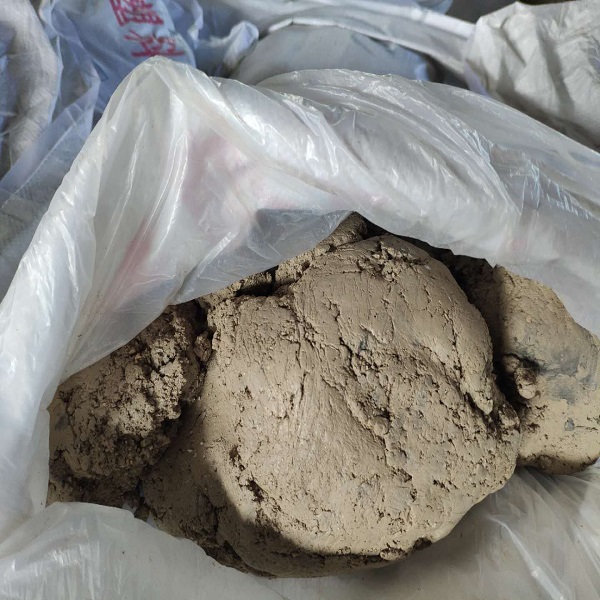
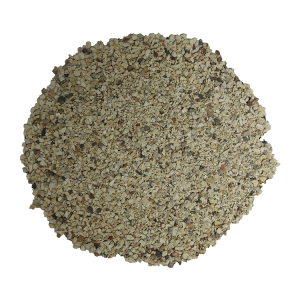
The main components of refractory plastics are specific types of resins and fillers that, after special processing, can withstand high temperatures while maintaining excellent mechanical strength and stability. These materials can usually withstand temperatures exceeding 1000 degrees Celsius without significant physical deformation or chemical degradation.
The main components of refractory plastics include aggregates such as high-alumina clinker, corundum, mullite and silicon carbide. The binder is usually raw clay or chemical composites, and admixtures may include expansive materials such as kyanite powder, vân vân. 65. Depending on the material, refractory plastics can be divided into clay, high-alumina, corundum, silicon, magie, chromium and silicon carbide.
Other refractory unshaped products
- vật liệu bắn magiê
- Đâm vật liệu chịu lửa
- cốt liệu chịu lửa
- bauxite chịu lửa
- Vật liệu chịu lửa đúc được
- Xi măng chịu lửa
- Vữa chịu lửa
Nhựa chịu lửa
Chemical properties of refractory plastics
| Material name | Acidic medium (HCl, H2SO4) | Alkaline medium (NaOH) | Organic solvent (alcohols, ketones) | Thermal decomposition temperature (° C.) | Độ bền kéo (MPa) |
| Polyimide (PI) | Xuất sắc | Tốt | Tốt | 400 | 90 |
| Polytetrafluoroethylene (PTFE) | Xuất sắc | Xuất sắc | Xuất sắc | 327 | 20 |
| Silicone (Silicone) | Tốt | Medium | Xuất sắc | 250 | 10 |
Cách sử dụng nhựa chịu lửa?
1. Chuẩn bị trước khi thi công
2. Trộn vật liệu
3. Đẻ, nailing and ramming
4. Surface finishing and setting of expansion joints
5. BẢO TRÌ
Classification of plastic refractory materials
- Polyethylene plastics
- Polypropylene plastics
- Fluoroplastic plastics
- Polyurethane plastics
- Composite plastics
Lĩnh vực ứng dụng
- Luyện thép: used for the protection of key parts of blast furnaces, steelmaking furnaces, converters and other equipment.
- Ngành xây dựng: used for the production of fire protection facilities such as fire walls, fire doors, and insulation boards.
- Petrochemical industry: used for the production of key components such as catalysts, heat exchangers, and reactors.
- Power industry: used for the protection of key parts such as boiler walls, ống khói, and furnaces in thermal power plants, nuclear power plants, and other places.
- Thermal equipment: used for the lining of thermal equipment such as boilers.
Đánh giá
Chưa có đánh giá nào.