- No.92 Jianshe West Road, Zhongyuan District, Zhengzhou, Henan,China.
- sale@literefractory.com
- +86 0371 64599000

Menu
Menu
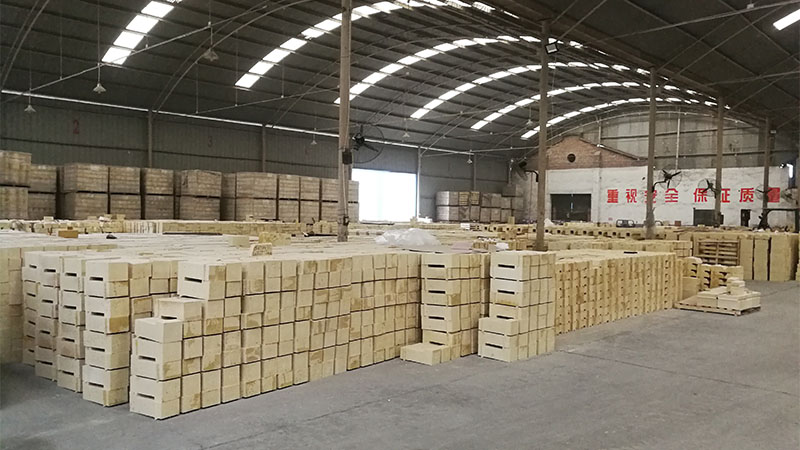
silica bricks Silica bricks will expand at high temperatures, which is one of their inherent physical properties. Depending on the use conditions and environment, the expansion properties of silica bricks will affect their use in the furnace. 1. Expansion properties Expansion point: During the baking process, silica bricks will have four crystal transformation points at […]
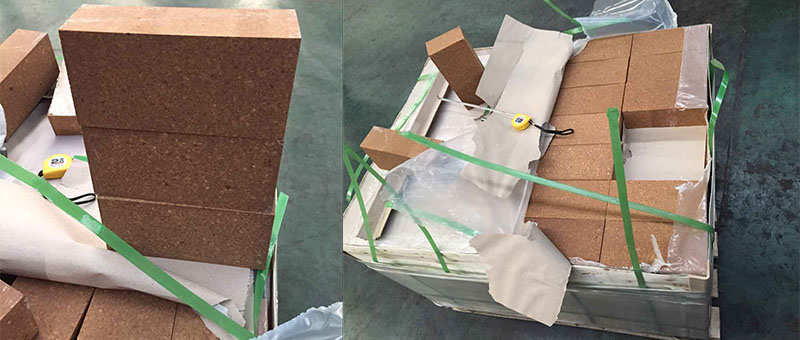
Magnesia brick VS magnesia carbon brick VS magnesia chrome brick VS magnesia alumina spinel brick characteristic Magnesia Brick Magnesia Carbon Brick Magnesia Chrome Brick Magnesia Alumina Spinel Brick Main Ingredients MgO MgO + 碳 MgO + Cr2O3 MgO + Al2O3 Thermal stability better Excellent very good very good Thermal shock resistance generally very good […]
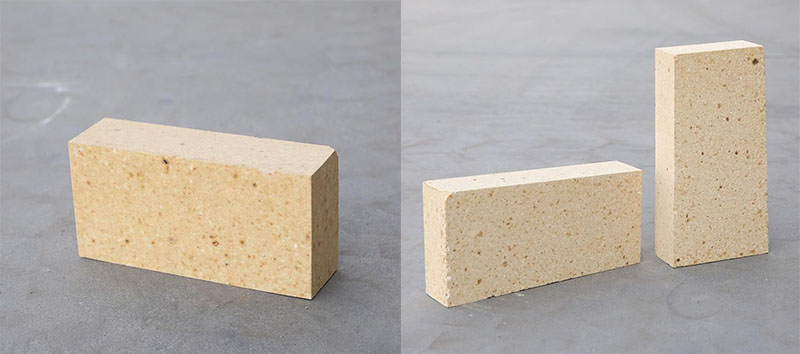
The quality and grade of high-alumina bricks can be identified from multiple aspects, mainly including color, flatness, surface quality, etc. The following is a detailed identification method: · Color: The color of high-alumina bricks is related to their alumina content, and the color is usually white, but the specific color may vary due to factors […]
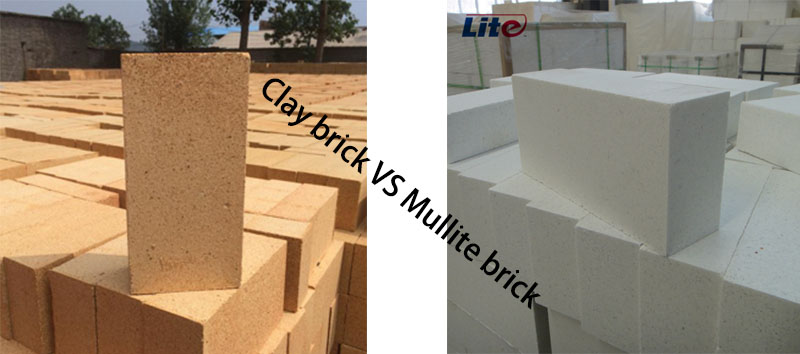
Clay bricks 1.Composition and manufacturing Clay bricks are made of 50% soft clay and 50% hard clay clinker according to certain particle size requirements. After molding and drying, they are fired at a high temperature of 1300~1400℃. It belongs to the silicon-aluminum series products, and is a refractory product with an Al2O3 content of 30-48% […]

Glass wool and asbestos are two different materials with significant differences in composition, performance and safety. Glass wool asbestos Ingredients and manufacturing It is mainly composed of glass fiber and a small amount of additives. It is a kind of artificial synthetic fiber. It is made by melting glass and pulling it into fiber shape, […]

Corundum and mullite are two different substances with obvious differences in composition, properties and applications. Corundum Mullite Composition and structure The main component is α-Al₂O₃ (aluminum oxide), which belongs to the trigonal crystal system and the crystal is short columnar. The true density of corundum is 3.85~4.01 g/cm³, the hardness is 9, and the melting […]

Example: Brick size 230mm*114mm*75mm, density 2.6g/cm³ Volume = 23*11.4*7.5 Volume = 1966.5 Calculate weight: Weight = 1966.5×2.6/1000 =5112.9/1000 Weight ≈ 5.1 kg The weight of this refractory brick is about 5.1 kg. Weight of clay bricks

There are many types of building insulation materials. According to different classification methods, they can be divided into organic, inorganic and composite materials. The following are some common building insulation materials: 1. Organic insulation materials Polystyrene foam board (EPS/XPS) Molded polystyrene foam (ordinary foam board): has good insulation performance, but poor fire resistance. Extruded polystyrene […]

1. Raw material preparation It is necessary to prepare raw materials such as silica sand, carbon materials (such as petroleum coke, anthracite, etc.), and quartz sand. These raw materials are the basis of reaction-sintered silicon carbide, and their quality and proportion will affect the performance of the final product. 2. Crushing and screening The prepared […]

Cordierite Mullite Shelf Board, Corundum Mullite Shelf Board and Silicon Carbide Shelf Board are three different materials of shelf boards, which differ in composition, performance and application. Composition: Cordierite Mullite Shelf Board: The main chemical component of cordierite is magnesium aluminum silicate, and the main chemical component of mullite is island aluminum silicate. The combination […]
We’ll Contact You Shortly
about us
It is a high-quality R&D and manufacturing enterprise in the field of refractory materials.
The Phone
The Email
The Address
No.92 Jianshe West Road, Zhongyuan District, Zhengzhou, Henan,China.