
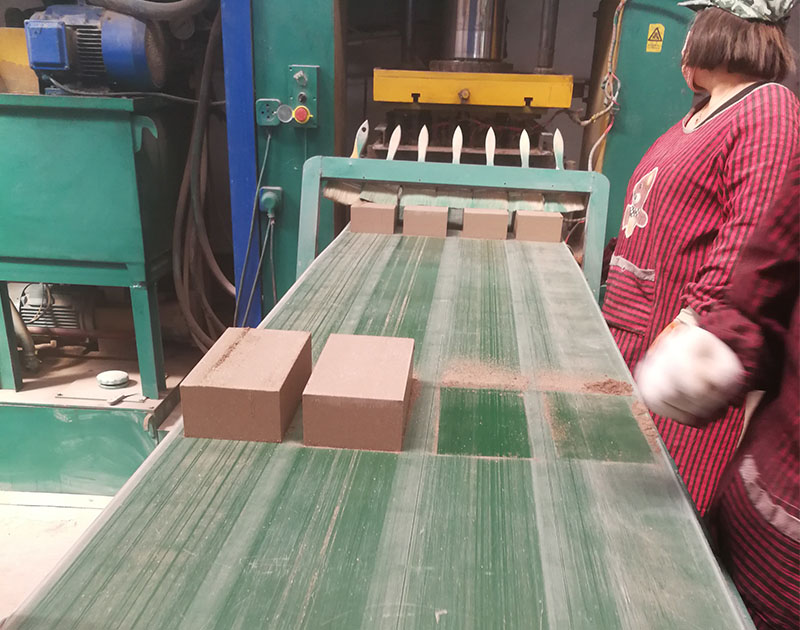
Lightweight insulation brick
The classification of refractory insulation bricks can be divided according to different standards. The following are some of the main classification methods:
Classification according to material composition:
- Alumina insulation bricks (bubble alumina bricks, lightweight alumina bricks)
- Alumina silicate insulation bricks (high alumina insulation bricks, clay insulation bricks)
- Silica insulation bricks
- Magnesia insulation bricks
- Magnesia-alumina insulation bricks
- Zircon insulation bricks
Classification according to use temperature:
- Low temperature insulation bricks: suitable for temperatures below 1000°C, such as lightweight clay bricks.
- Medium temperature insulation bricks: suitable for temperatures between 1000°C and 1500°C, such as high alumina insulation bricks.
- High temperature insulation bricks: can withstand high temperatures above 1500°C, such as bubble alumina bricks, zircon bricks, etc.
Classification according to structural characteristics:
- Solid insulation bricks: uniform structure, no obvious pores or bubbles.
- Hollow insulation bricks: there are reserved cavities or pores inside to enhance thermal insulation performance.
- Bubble insulation bricks: contain bubble structures inside, which improves the thermal insulation performance.
Classification by application environment:
- Insulation bricks for acidic environment: such as silica insulation bricks, resistant to acid corrosion.
- Insulation bricks for alkaline environment: such as magnesium and magnesium-aluminum insulation bricks, resistant to alkaline corrosion.
- Insulation bricks for neutral environment: such as high-aluminum insulation bricks, suitable for general industrial furnaces.
- Insulation bricks for special environments: such as anti-slag bricks, designed for specific chemical environments.
Classification by shape and size:
- Standard size insulation bricks: insulation bricks produced in standard sizes, suitable for most general equipment.
- Customized shape insulation bricks: insulation bricks of special shapes or sizes customized according to specific equipment or process requirements.