
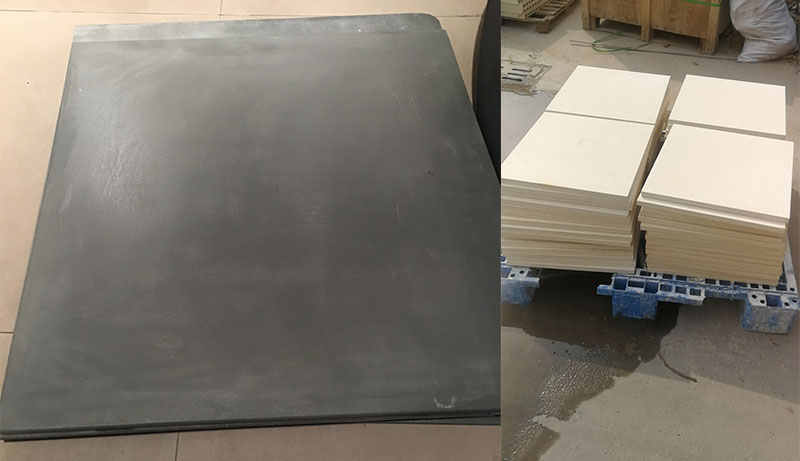
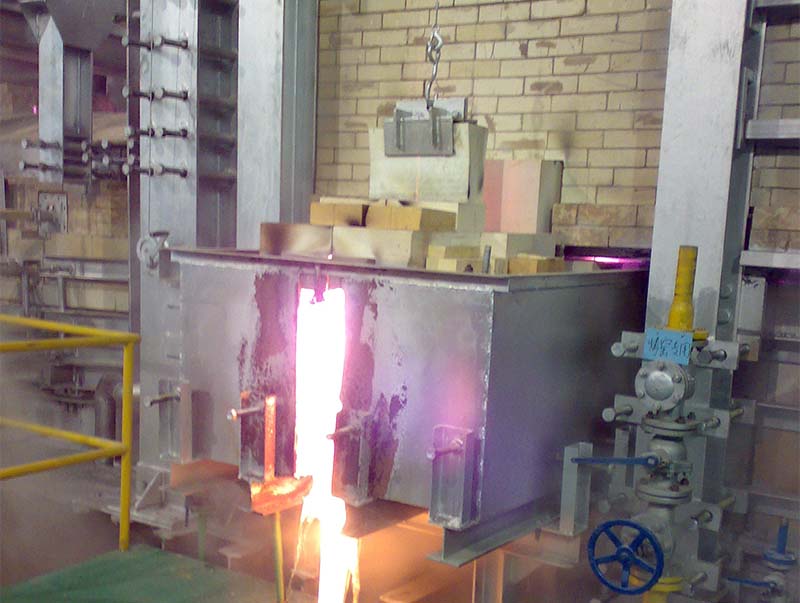
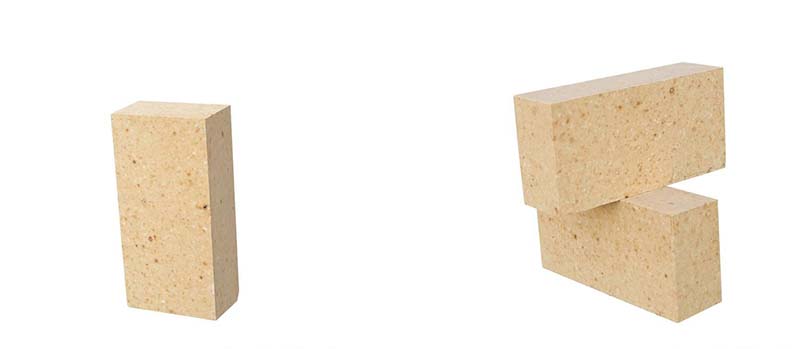
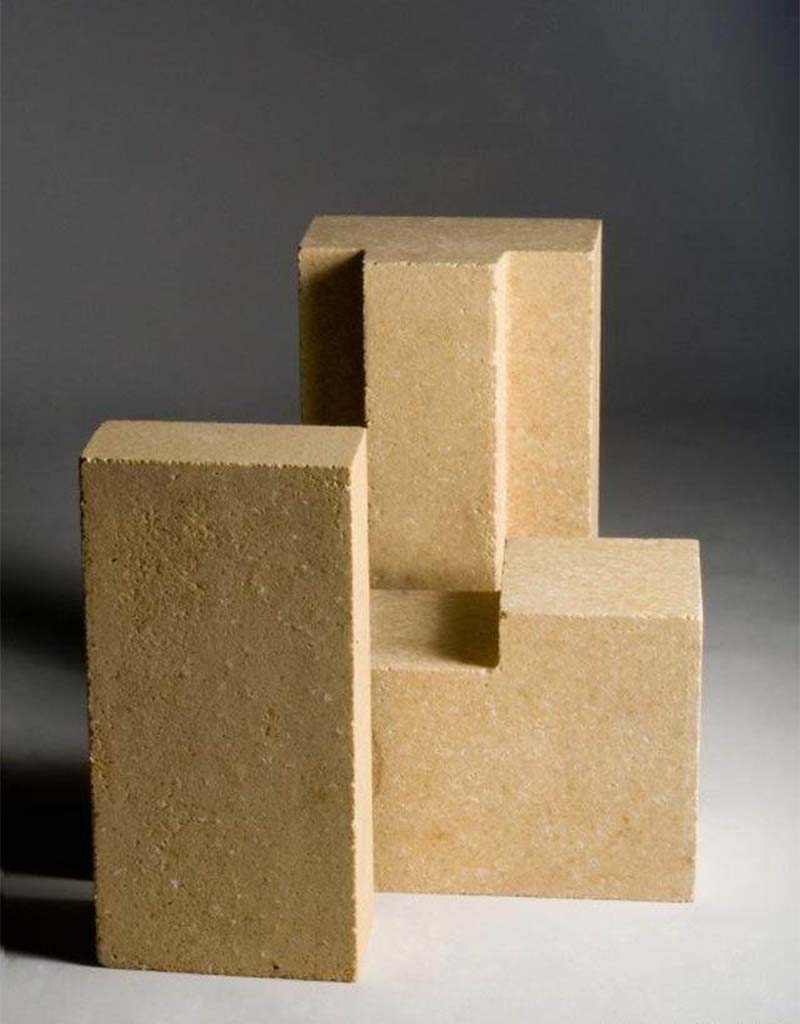
Corundum and mullite are two different substances with obvious differences in composition, properties and applications.
| Corundum | Mullite | |
| Composition and structure | The main component is α-Al₂O₃ (aluminum oxide), which belongs to the trigonal crystal system and the crystal is short columnar. The true density of corundum is 3.85~4.01 g/cm³, the hardness is 9, and the melting point is about 2050°C. | Mullite is a natural mineral, but the mullite commonly used in refractory materials is artificially synthesized. Its chemical composition is relatively complex, generally expressed as 3Al2O2·2SiO2. Mullite has high purity, high density and good organizational structure. |
| performance | It has high thermal conductivity and insulation, good chemical stability and resistance to reducing agents. Corundum has strong resistance to thermal shock and chemical erosion. | It has lower creep rate, smaller thermal expansion, good thermal shock resistance and chemical corrosion resistance. Mullite has better thermal shock resistance than corundum, but its hardness and wear resistance are not as good as corundum. |
| application | Due to its high hardness and high melting point, corundum is often used as a raw material for advanced refractory materials and is suitable for manufacturing various high-temperature equipment and components, such as refractory bricks, furnace tubes, saggers, etc. | Mullite is widely used in the refractory industry due to its excellent thermal shock resistance and chemical stability, especially in situations where it needs to withstand rapid temperature changes. |
| Comprehensive comparison | The hardness and wear resistance of corundum are better than those of mullite. | Mullite has better thermal shock resistance than corundum. |
Henan LiTe Refractory Material Co., Ltd., an excellent refractory material manufacturer and supplier in China, welcomes you. If you need, please contact us