
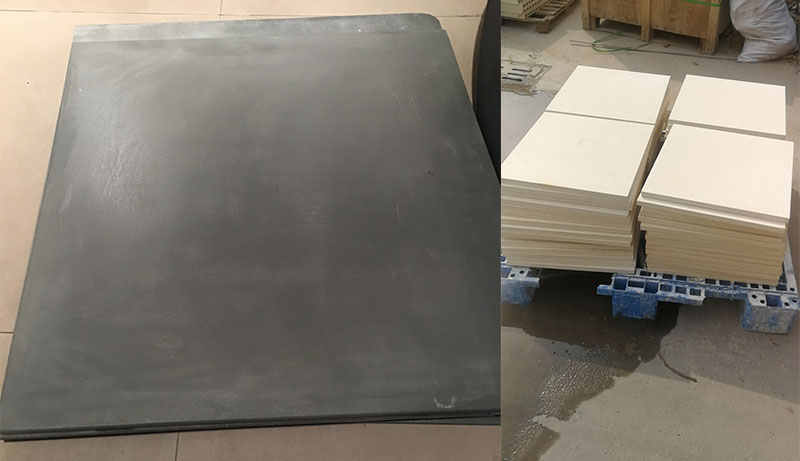
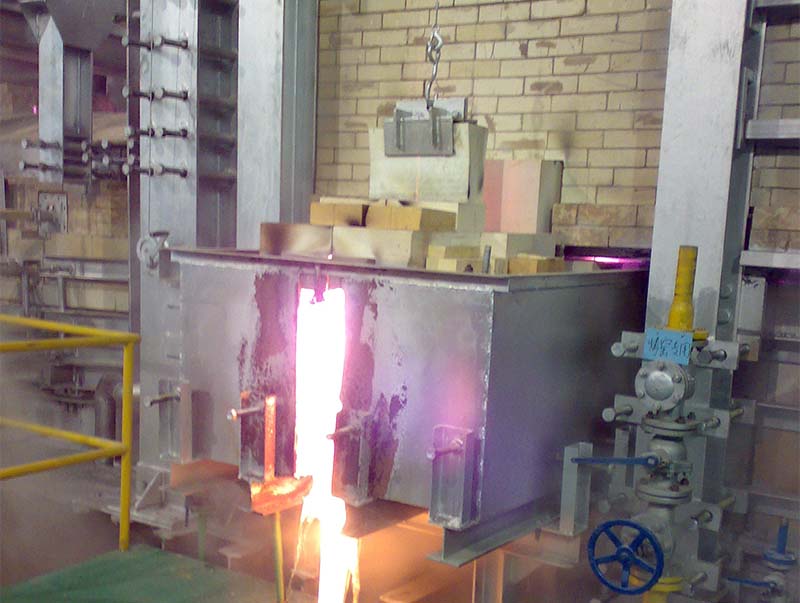
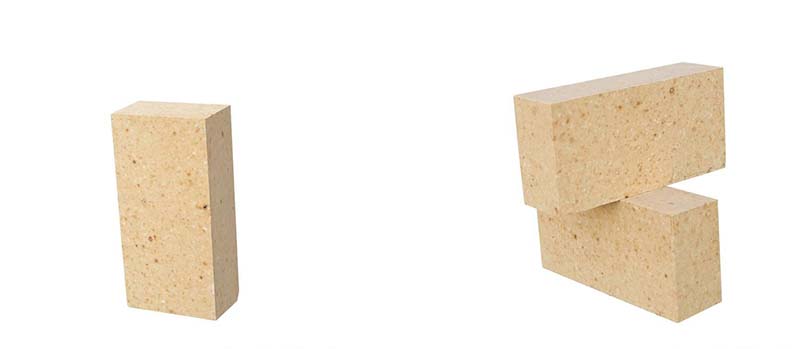
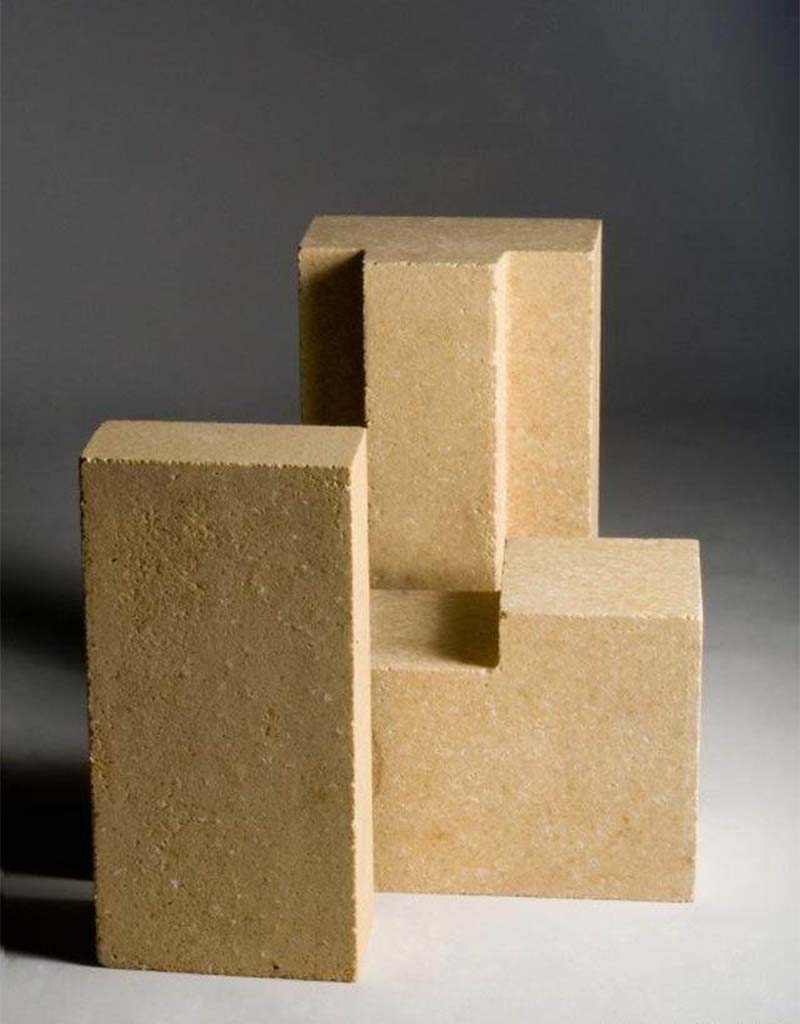
Silicon carbide is an important raw material for refractory materials. It is often used to manufacture refractory materials, such as silicon carbide bricks, silicon carbide castables, silicon carbide combined with silicon nitride bricks, etc. The reason why it can be used as a raw material for refractory materials is mainly because of its obvious advantages.
1. High melting point: The melting point of silicon carbide is as high as about 2700℃, which makes it possible for refractory materials to have high refractoriness when used as refractory materials. Generally, the refractoriness of refractory materials made of silicon carbide can reach about 1790℃, which can keep the structure of refractory materials stable at high temperatures.
2. Good chemical stability: Silicon carbide has good corrosion resistance and can have strong resistance to acid, alkali and salt solutions, and can resist corrosion in high temperature environments;
3. Thermal conductivity: The thermal conductivity of silicon carbide is about 80-200W/(m·K). This feature helps refractory materials to quickly transfer heat at high temperatures and improve thermal efficiency.
4. Good wear resistance: Silicon carbide has very good wear resistance. It can resist the erosion and wear of materials very well, so it is widely used in some parts with severe wear. 5. High strength: Silicon carbide has high strength and can maintain the stability of the kiln in a high temperature environment.
Through the characteristics of silicon carbide, we can roughly understand the role of silicon carbide in refractory materials. It can keep the refractory materials at a high refractory performance. At the same time, it has good resistance to chemical erosion. At the same time, due to its excellent wear resistance, it can resist the erosion and wear of materials in some key parts with severe wear. Not only that, due to the high thermal conductivity of silicon carbide, it can improve the thermal efficiency of the kiln and reduce energy consumption.